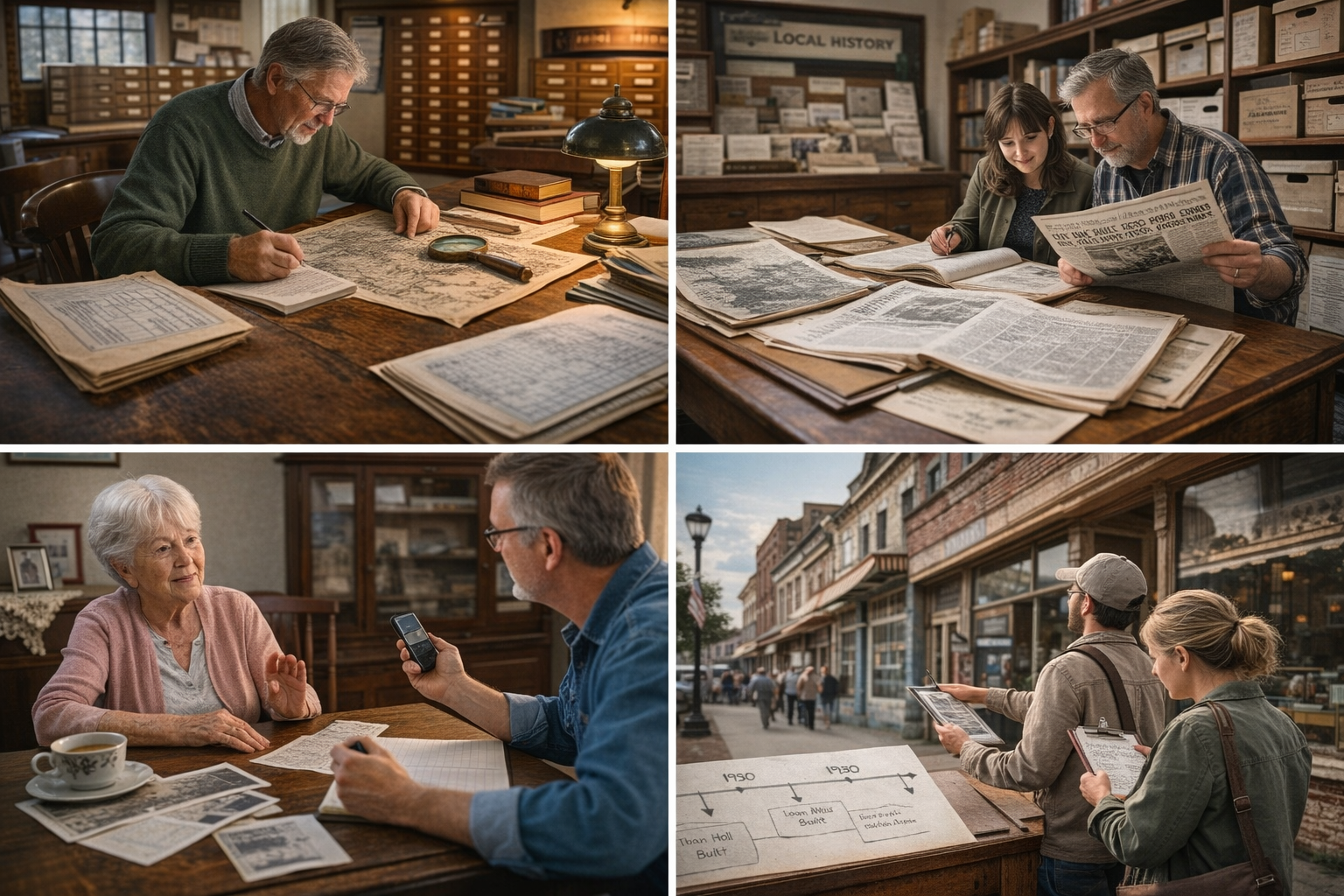
Reliable historical research best practices help communities tell honest stories about themselves. Through Historical Research With Local Sources, schools, councils and local groups can base decisions on solid evidence, protect community memory, avoid conflict and build trust with funders and residents.
Why Reliable Historical Research Matters For Local Communities
Inaccurate history can slip into school lessons, heritage trails or grant applications. A wrong date or exaggerated claim may seem small, but it can damage credibility, upset families and weaken future funding bids when errors are exposed. This is especially clear when studying sensitive topics such as Russian Crisis and Political Unrest, where misinformation can easily distort public understanding.
Family stories often clash with public records. A tale about an ancestor founding a business might not match census data or land deeds. Careful comparison of archival records, newspapers and maps helps separate myth from fact without dismissing family pride or lived experience.
When community history projects show clear evidence and honest limits, people are more likely to trust them. Funders also prefer projects that demonstrate careful research methods and transparent documentation.
Building A Solid Research Plan Before You Open The Archives
Start by turning a broad interest into one focused question. Instead of studying the whole town, narrow it to something realistic, such as how a market changed between two dates or how a school served a particular group.
Primary sources are items created at the time, such as birth certificates, council minutes, photographs or oral history interviews. Secondary sources are later interpretations like textbooks, documentaries or local history books that analyse earlier evidence. Many well-written narratives, including a Powerful Russian Historical Fiction Ebook, rely on this same balance between original records and thoughtful interpretation.
Plan your time and locations carefully. List which archives, libraries or local offices hold relevant records, and check opening hours, access rules and copying costs. A simple timetable with tasks for each visit keeps the project achievable.
Evaluating Sources And Verifying Historical Information Step By Step
Use a short checklist for every source. Ask who created it, for what purpose, when and where it was made, and who the intended audience was. This basic source criticism helps identify bias, perspective and missing context.
Never rely on a single website or document. Cross check dates, names and events across at least two or three independent sources. If newspapers disagree, look for council records, maps or letters to build a balanced view. This approach is equally important when analysing emotionally charged narratives, such as those found in Emotional Suspense Ebooks, where emotion must be supported by factual grounding.
Separate what the source actually shows from your interpretation. Record exact quotes or figures, then clearly mark your conclusions. Use simple citation tools or spreadsheets to track sources and avoid accidental plagiarism.
Practical Methods For Local History Projects In Your Area
Local archives, museums and historical societies are key partners. Before visiting, search their catalogues, email staff with specific questions and prepare a list of reference numbers. Bring a camera or scanner if allowed, and keep detailed notes for every document copied.
For oral history interviews, gain written consent, explain how recordings will be used and stored, and prepare open-ended questions. Ask about memories, feelings and changes over time rather than yes or no answers. Record in a quiet setting and back up files securely.
Document buildings, land and objects using clear photographs, sketches and maps. Note addresses, dates and current condition. These records later support school lessons, walking tours or community exhibits that share findings responsibly.
Ethical And Transparent Practices That Strengthen Your Historical Work
Research ethics matter as much as accuracy. Protect privacy by avoiding sensitive details about living people without consent, especially regarding health, crime or family conflict. In some cases, anonymising or omitting information is the most responsible choice.
When accounts conflict, present each version fairly and explain the evidence behind them. You do not need to declare a single version as absolute truth. Instead, show what is confirmed, what is likely and what remains uncertain.
Share your methods openly. Include a short explanation of your research process, a clear list of primary and secondary sources, and notes on any gaps. Transparency strengthens credibility and helps future researchers build on your work.
Reliable historical research best practices are achievable for any careful local researcher. By planning clearly, checking every source and respecting the people behind the stories, you create work that communities trust and future projects can rely on.
If you are ready to begin a local history project, choose one focused question today, sketch a simple research plan and reach out to discuss guidance, workshops or collaboration for your next community history initiative.
FAQs
How can I tell if a historical source is trustworthy or biased?
Check who created the source, when, where and for what purpose. Look for strong opinions or emotional language, and see whether primary sources are cited. Then compare details with at least two independent records.
What is the best way to start a small local history research project?
Begin with a narrow question that matches your time and access to records. List potential sources, create a simple weekly plan and document citations from day one.
How do historians deal with conflicting accounts of the same event?
They analyse each source’s origin, purpose and audience, cross check details with independent records, and present multiple perspectives while explaining what is well supported and what remains unclear.